


Maintaining Sustainable Pest Solutions for Your Property
- Ron Davis
- Feb 23
- 4 min read

Pest control is essential for protecting homes and businesses from damage and health risks. However, traditional pest control methods often rely on harsh chemicals that can harm the environment and non-target species. I focus on sustainable pest solutions that balance effective pest management with environmental responsibility. This approach ensures long-term safety and health for your property and community.
Understanding Sustainable Pest Solutions
Sustainable pest solutions prioritize methods that reduce environmental impact while controlling pests effectively. These solutions use integrated pest management (IPM) principles, combining biological, cultural, physical, and chemical tools in a way that minimizes risks.
For example, instead of immediately using pesticides, I start by identifying the pest species and understanding their behavior. This knowledge helps me choose targeted treatments that avoid unnecessary chemical use. I also emphasize prevention by sealing entry points and maintaining cleanliness to reduce pest attractants.
Sustainable pest solutions include:
Biological controls: Introducing natural predators or parasites to control pest populations.
Cultural controls: Changing farming or landscaping practices to make the environment less hospitable to pests.
Mechanical controls: Using traps, barriers, or manual removal.
Selective chemical use: Applying eco-friendly pesticides only when necessary and in minimal amounts.
This approach reduces chemical residues, protects beneficial insects, and supports biodiversity.

Implementing Sustainable Pest Solutions in Your Property
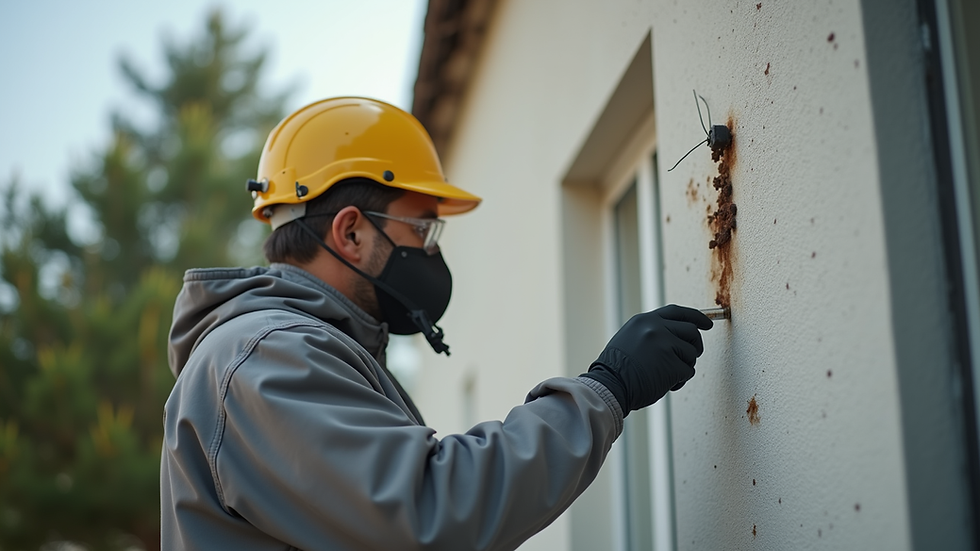
Applying sustainable pest solutions requires a strategic plan tailored to your property’s needs. I recommend starting with a thorough inspection to identify pest types, infestation levels, and potential entry points. This step is crucial for developing an effective and sustainable pest management plan.
Next, I focus on prevention. Simple actions like fixing leaks, removing standing water, and sealing cracks can significantly reduce pest problems. For example, rodents need access to food and shelter. By storing food properly and eliminating clutter, you make your property less attractive to them.
When treatment is necessary, I use eco-friendly products that break down quickly and have low toxicity. For instance, botanical insecticides derived from plants can control pests without harming beneficial insects or contaminating soil and water.
Regular monitoring is also part of sustainable pest control. I set up traps and conduct follow-up inspections to track pest activity and adjust treatments accordingly. This ongoing process helps maintain control without overusing chemicals.
Choosing the Right Eco-Friendly Products
Selecting the right products is key to maintaining sustainable pest control. I prioritize products that meet environmental safety standards and have proven effectiveness. Here are some criteria I use:
Low toxicity: Products should be safe for humans, pets, and non-target wildlife.
Biodegradability: They should break down quickly in the environment.
Target specificity: Products should affect only the pest species, minimizing collateral damage.
Regulatory approval: I use products approved by relevant authorities for safe use.
For example, neem oil is a natural insecticide that disrupts pest growth and reproduction without harming beneficial insects. Diatomaceous earth is another option that physically damages insect exoskeletons without chemicals.
Using these products responsibly means applying them at the right time and in the correct amounts. Overuse can lead to resistance and environmental harm, so I always follow label instructions and best practices.

Monitoring and Adapting Your Pest Control Strategy
Sustainable pest control is not a one-time fix. It requires continuous monitoring and adaptation. I recommend setting up a schedule for regular inspections and pest activity assessments. This helps catch problems early and prevents infestations from growing.
Using tools like sticky traps, pheromone traps, and visual inspections, I track pest populations and identify trends. If a particular method is not working, I adjust the strategy by trying alternative controls or increasing preventive measures.
Data-driven decisions improve effectiveness and reduce unnecessary treatments. For example, if monitoring shows low pest activity, I may delay chemical applications or reduce their frequency.
Education is also important. I keep property owners informed about pest risks and encourage them to maintain good sanitation and structural maintenance. This partnership strengthens the overall pest management program.
Benefits of Sustainable Pest Solutions for Your Property
Choosing sustainable pest solutions offers many advantages. First, it protects your property from damage caused by pests like termites, rodents, and insects. Effective control prevents costly repairs and health hazards.
Second, it safeguards the environment. By reducing chemical use, you help preserve soil and water quality and protect beneficial organisms like pollinators.
Third, sustainable pest control supports long-term pest management. It reduces the chance of pests developing resistance to treatments, ensuring continued effectiveness.
Finally, it aligns with growing community values around environmental responsibility. Using eco-friendly methods demonstrates care for your neighborhood and sets a positive example.
By partnering with a pest control service that prioritizes sustainability, you gain peace of mind knowing your property is safe, healthy, and environmentally sound.
Maintaining sustainable pest control practices is a practical and responsible choice. It requires commitment to prevention, careful product selection, ongoing monitoring, and adaptation. With these steps, I help keep properties in South Jersey and Philadelphia pest-free while protecting the environment.
For more information on eco-friendly pest management, visit Kind Pest Control. They offer reliable, guaranteed results with a focus on sustainable solutions tailored to your needs.


Comments