We’re honored to be voted a 2025 Neighborhood Faves winner by Nextdoor


Earwigs in New Jersey: Identification & Home Prevention


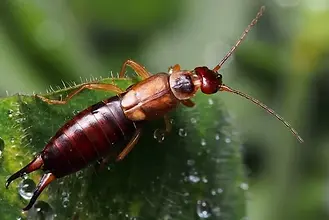
Earwigs are small, elongated insects belonging to the order Dermaptera. They are easily recognized by the pair of forcep-like pincers (cerci) on the end of their abdomen. While earwigs are primarily outdoor insects that feed on plants and organic matter, they often invade homes seeking moisture and shelter, especially during warm or wet seasons.
what are earwigs?
-
Pinching: Earwigs may use their pincers to pinch when handled, but they are not dangerous and rarely break skin.
-
Nuisance Pests: Large numbers can become alarming when they gather indoors.
-
Plant Damage: Some species feed on flowers, seedlings, and garden plants, causing cosmetic damage.
-
Myths: Despite their name, earwigs do not crawl into people’s ears or cause serious harm.
are earwigs harmful?
Since earwigs thrive in damp environments, control focuses on habitat reduction and exclusion.
-
Inspection: Identify areas with moisture and organic debris.
-
Moisture Control: Fix leaks, reduce mulch beds, and improve ventilation around foundations.
-
Exclusion: Seal cracks, gaps, and door sweeps to prevent entry.
-
Targeted Treatments: Residual sprays, perimeter treatments, and granules can reduce populations outdoors before they enter structures.
earwig control
-
European Earwig: The most widespread species, reddish-brown with large pincers.
-
Ring-Legged Earwig: Smaller, with distinctive banded legs, often found in gardens.
-
Striped Earwig: Larger species found in more rural or agricultural settings.
types of earwigs in nj
-
Size: ¼ to 1 inch long.
-
Color: Reddish-brown to dark brown.
-
Body: Slender, elongated with short wings (though rarely fly).
-
Pincers: Prominent cerci at the abdomen, curved in males and straighter in females.
earwigs appearance
-
Outdoors: Gardens, mulch beds, leaf piles, under rocks, and logs.
-
Indoors: Basements, bathrooms, kitchens, and damp crawl spaces.
-
Conditions: Thrive in cool, damp, and dark environments.
earwigs habitat
-
Plants: Flowers, seedlings, fruits, and vegetables.
-
Organic Matter: Decaying leaves and mulch.
-
Other Insects: Occasionally prey on smaller insects and larvae
earwigs diet
-
Earwigs undergo incomplete metamorphosis:
-
Eggs: Laid in soil, guarded by females.
-
Nymphs: Hatch as small versions of adults and molt several times.
-
Adults: Fully developed with functioning pincers and wings (though flight is rare).
-
Females show unusual insect behavior by protecting their eggs and young nymphs until they mature.
earwigs lifecycle