
General Pest Control Tips for Homes

Pests can disrupt the comfort and safety of any home. They damage property, spread diseases, and create an unpleasant environment. I understand the importance of keeping your living space pest-free. This post shares practical, effective strategies to control pests in your home. These tips help prevent infestations and maintain a healthy environment.
Effective General Pest Control Tips
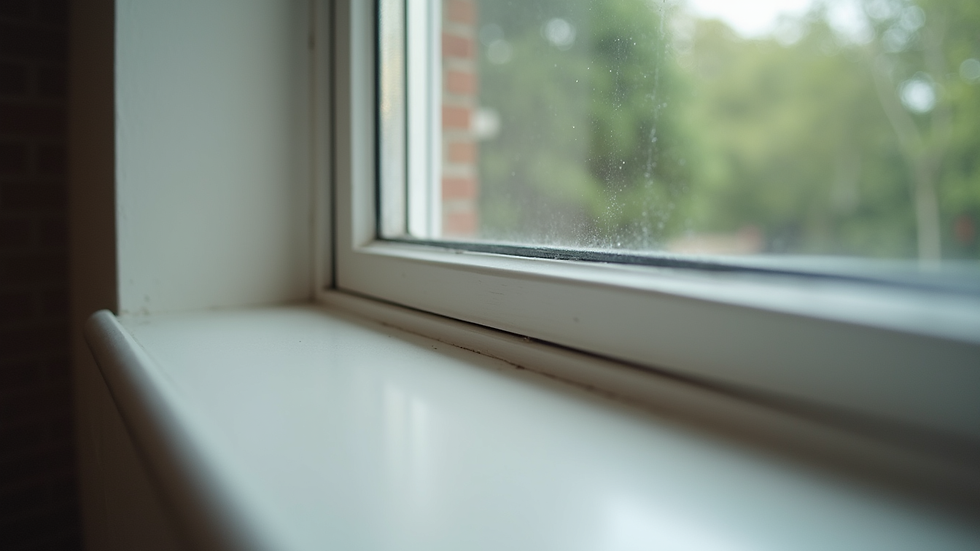
The first step in pest control is prevention. I recommend sealing all entry points such as cracks, gaps around windows, doors, and utility pipes. Use weather stripping and caulk to close these openings. This simple action blocks pests from entering your home.
Next, maintain cleanliness. Pests are attracted to food crumbs, spills, and garbage. Clean kitchen counters, sweep floors regularly, and store food in airtight containers. Dispose of trash daily and keep outdoor bins sealed.
Moisture control is also crucial. Many pests thrive in damp environments. Fix leaking pipes, use dehumidifiers in basements, and ensure proper drainage around your home. Dry conditions discourage pests like silverfish, cockroaches, and termites.
Landscaping plays a role too. Trim bushes and trees away from the house to reduce pest access. Remove leaf litter and debris where insects and rodents hide. Keep firewood stored away from the foundation.
Finally, monitor your home regularly. Look for signs of pests such as droppings, nests, or damage. Early detection allows for quick action before infestations grow.
What Spices Do Bugs Hate?
Certain spices and herbs repel pests naturally. I use these as part of my pest control routine because they are safe and eco-friendly.
Cinnamon: Ants and mosquitoes dislike the strong smell of cinnamon. Sprinkle ground cinnamon near entry points or create a cinnamon oil spray.
Cloves: Clove oil repels flies, mosquitoes, and ants. Place whole cloves in small sachets or use clove oil in diffusers.
Peppermint: Peppermint oil is effective against spiders, ants, and mice. Mix peppermint oil with water and spray around windows, doors, and baseboards.
Bay Leaves: Bay leaves deter cockroaches and weevils. Place dried bay leaves in pantry shelves and cupboards.
Garlic: The pungent smell of garlic repels mosquitoes and aphids. Crush garlic cloves and place them near problem areas.
Using these spices provides a natural barrier without harmful chemicals. They complement other pest control methods well.

Safe and Eco-Friendly Pest Control Practices
I prioritize eco-friendly methods to protect your home and the environment. Chemical pesticides can harm pets, children, and beneficial insects. Instead, I recommend integrated pest management (IPM) techniques.
Start with physical controls like traps and barriers. Use sticky traps for insects and snap traps for rodents. These methods reduce pest populations without toxins.
Biological controls involve introducing natural predators. For example, ladybugs eat aphids, and nematodes target soil-dwelling pests. These options are safe and sustainable.
When pesticides are necessary, choose low-toxicity products. Apply them carefully and only in targeted areas. Always follow label instructions to minimize risks.
Regular maintenance and sanitation remain the foundation of eco-friendly pest control. Keeping your home clean and dry reduces the need for chemical treatments.

When to Call Professional Pest Control
Sometimes, DIY methods are not enough. Persistent or severe infestations require professional help. I recommend contacting experts who offer reliable and eco-friendly solutions.
Professionals have access to specialized tools and treatments. They can identify pest species accurately and develop customized plans. This approach ensures effective elimination and prevention.
If you notice signs like structural damage, large numbers of pests, or health issues, do not delay. Early intervention saves time and money.
For those seeking trusted assistance, general pest control services provide comprehensive solutions. They combine prevention, treatment, and follow-up to keep your home safe.
Maintaining a Pest-Free Home Year-Round
Pest control is an ongoing process. I suggest establishing a routine to keep pests at bay throughout the year.
Inspect your home monthly for new entry points or signs of pests.
Clean regularly, especially in kitchens and storage areas.
Manage moisture by checking plumbing and ventilation.
Rotate natural repellents like spices seasonally.
Schedule professional inspections annually or as needed.
By staying proactive, you reduce the risk of infestations and protect your property.
Taking these steps creates a comfortable, healthy living space. You can enjoy peace of mind knowing your home is well-guarded against pests.
Implementing these general pest control tips helps maintain a safe and pest-free environment. Combining prevention, natural repellents, eco-friendly practices, and professional support offers the best results. Stay vigilant and act promptly to protect your home effectively.


Comments